

The Baseline You Inherited

Last week, we looked at how a material invented to save elephants ended up seeding a throwaway culture, and how the disposable nappy became part of that story almost by accident. What started as a genuine solution to wet sheets and tired parents became, within a couple of generations, the default nobody thinks twice about.
Here's the number that still stops most people: an estimated 2 billion disposable nappies go into landfill every year in Australia alone. Each one can take up to 500 years to break down. Every disposable nappy ever made still exists somewhere on this planet, in some form.
And yet, it doesn't feel alarming. It feels like Tuesday.
Why We Don't Notice It Happening
There's a concept in environmental science that explains exactly how this kind of drift happens without anyone deciding it should. It's called shifting baseline syndrome, first named in 1995 by fisheries scientist Daniel Pauly.
Pauly noticed something odd in his field. Each generation of fisheries scientists measured "healthy" fish stocks against whatever they saw at the start of their own careers, not against the stocks that existed before large-scale fishing began. So a scientist starting work in the 1980s would look at already-depleted fish populations and call that normal, then measure future decline from there. The generation before them had done the same thing with a slightly higher number.
The David Suzuki Foundation describes the underlying mechanism as a kind of "generational amnesia," where older generations tend to remember historical conditions accurately, while younger ones simply inherit the current, degraded state as their starting point. Without older generations actively passing that knowledge on, the memory of what things used to look like quietly disappears, and the baseline moves, one generation at a time, until the original state is almost entirely forgotten.
It's a concept built for fisheries, but the pattern it describes, generations losing track of a starting point because nobody actively passed it on, shows up anywhere gradual change goes unquestioned. Waste is one of those places.
The Same Pattern in a Nursery
A grandparent's baseline for "the nappy" was cloth, because that's what a nappy simply was. A parent's baseline shifted to disposables, because that's what was on the shelf and in every ad by the time they had their own children. And now, a generation later, the baseline has moved again. Two billion nappies going into landfill every year doesn't register as alarming, because it's simply the number this generation grew up inside. Nobody chose it. It just became the water everyone was swimming in.
This is why "just use what's easiest" rarely feels like a decision at all. It feels like common sense, because the baseline has already shifted underneath it.
The Point of This Story
This isn't a story about plastic being evil, or about disposable nappies being a moral failing. It's a story about how something can start with real intention and drift, quietly, into a habit nobody questions anymore, one generation's baseline at a time.
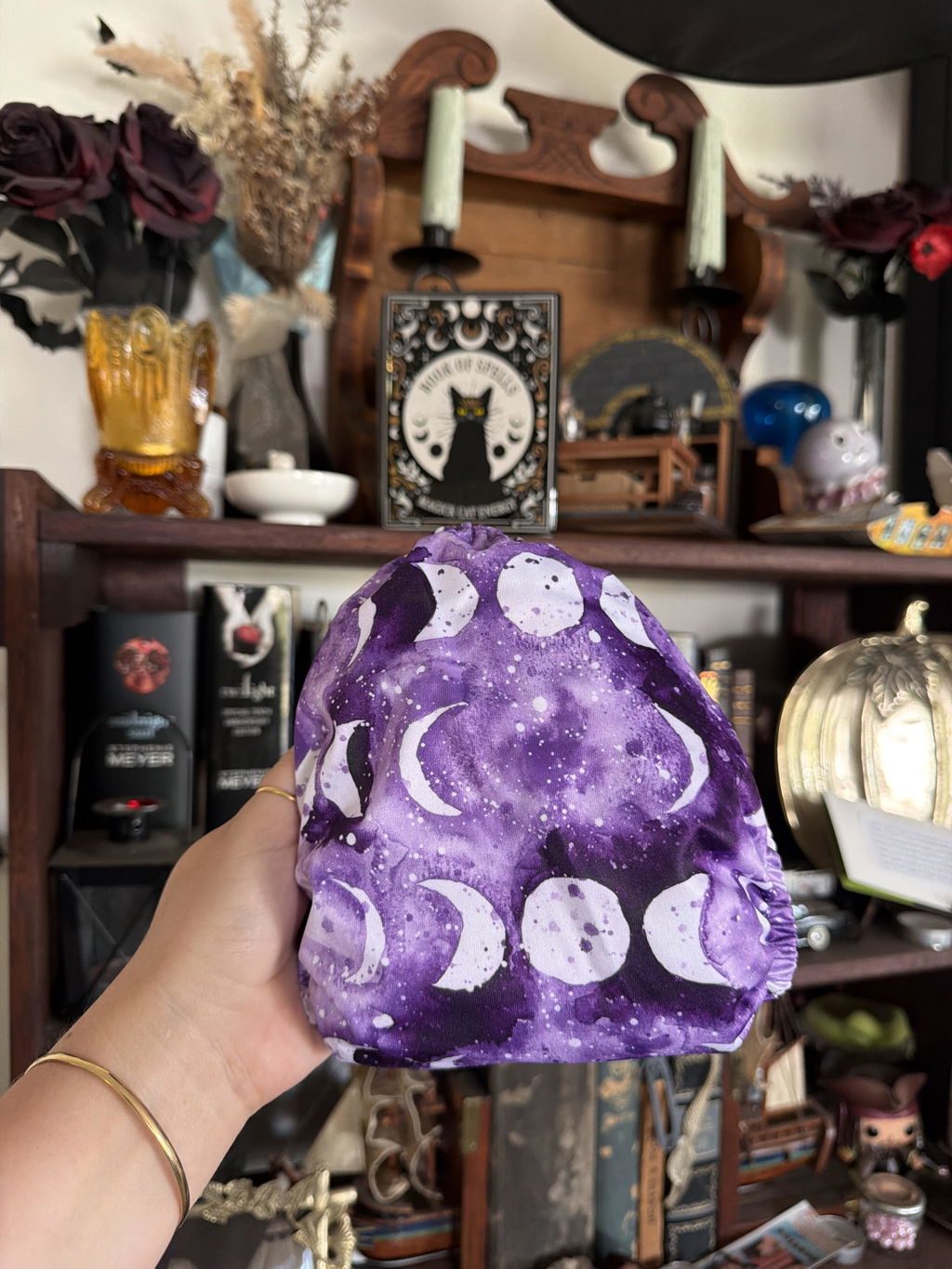
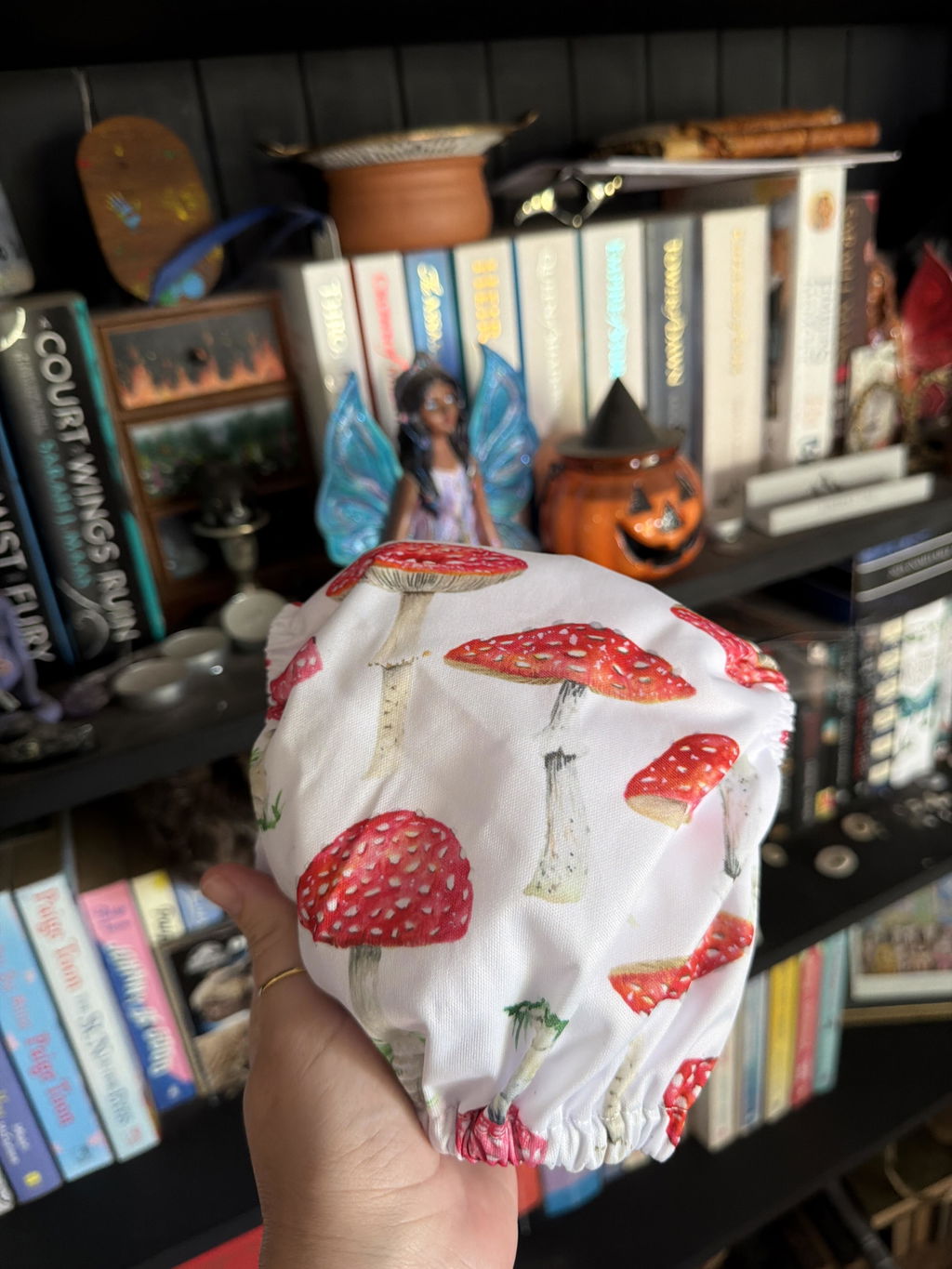
That's really what reusable nappies are asking families to do. Not to feel guilty about the last seventy years of convenience marketing, but to notice the baseline for what it is, a moving line, not a fixed truth, and to ask whether it still serves us.
Small swaps, big impact. That's always been the idea.
References
Alleway, HK, Gillies, CL and Fitzsimons, JA 2023, 'The shifting baseline syndrome as a connective concept for more informed and just responses to global environmental change', *People and Nature*, vol. 5, no. 3, pp. 885-899.
Pauly, D 1995, 'Anecdotes and the shifting baseline syndrome of fisheries', *Trends in Ecology & Evolution*, vol. 10, no. 10, p. 430.
Sustainability Victoria n.d., *Reusable nappies slash waste by 75% in 14 Victorian councils*, Sustainability Victoria, Melbourne, viewed 4 July 2026
ACT Government 2020, *Nappies and sustainability*, City Services, Canberra, viewed 4 July 2026