

Cloth Nappies vs Disposable Nappies: Costs, Convenience and Environmental Impact

Choosing between cloth nappies and disposable nappies is one of the first major decisions many parents make. While disposable nappies are often presented as the default option, a growing number of families are choosing cloth nappies as a full-time solution because of their long-term value, performance and environmental impact.
With increasing awareness around waste and sustainability, parents are looking for clear, factual information rather than vague claims or fear-based messaging.
This guide compares cloth nappies and disposable nappies across cost, convenience and environmental impact, using evidence-based information to support confident decision-making.
Cost: Short-Term Spend vs Long-Term Value
Disposable nappies
Disposable nappies are purchased continuously for as long as a child needs them. While the upfront cost may feel manageable, the total spend increases steadily over time.
It is commonly estimated that a single child will use around 4,000 to 6,000 disposable nappies before toilet training¹. Because disposables are single use, they must be repurchased repeatedly with no opportunity to reduce cost through reuse.
Cloth nappies
Cloth nappies involve a higher upfront investment because families purchase a reusable stash. Once that stash is established, ongoing costs are largely limited to washing.
A key difference is longevity. A well-made cloth nappy can be used hundreds of times, and when reused across more than one child, the cost per use continues to decrease. For many families, this long-term value is a key reason cloth nappies are chosen full-time.
Read our recent blog on How Many Cloth Nappies Do You Really Need?
Convenience in Everyday Life
Convenience is often assumed to favour disposables, but day-to-day reality can look very different once routines are established.
Disposable nappies
Disposable nappies are quick to change and require no washing. However, they also require frequent purchasing, storage space and regular disposal of waste.
Cloth nappies
Cloth nappies are designed for repeated daily use. Families who use cloth full-time often find that:
- Nappies are always available at home
- There is less reliance on last-minute shopping
- Washing becomes part of the normal household routine
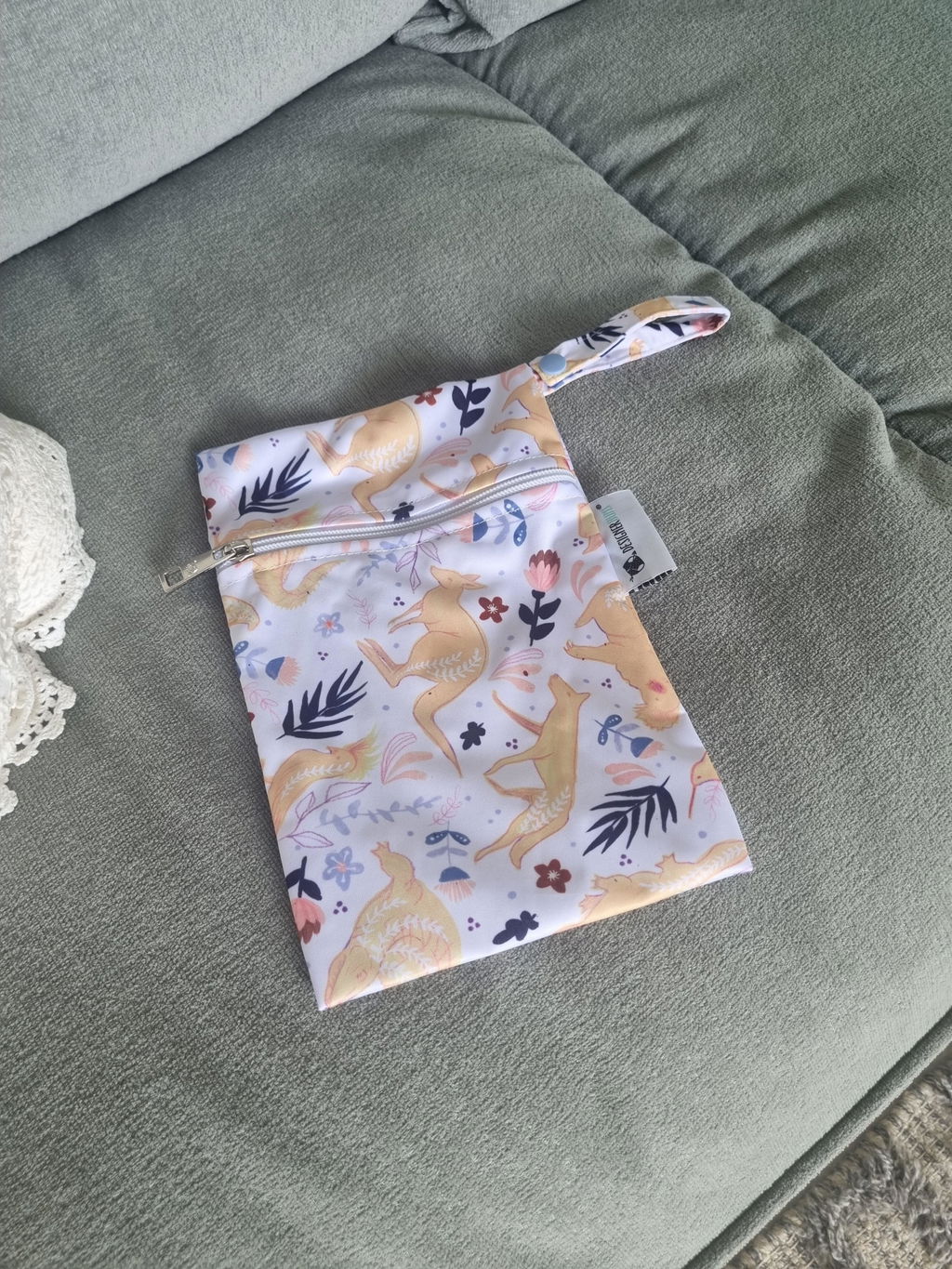
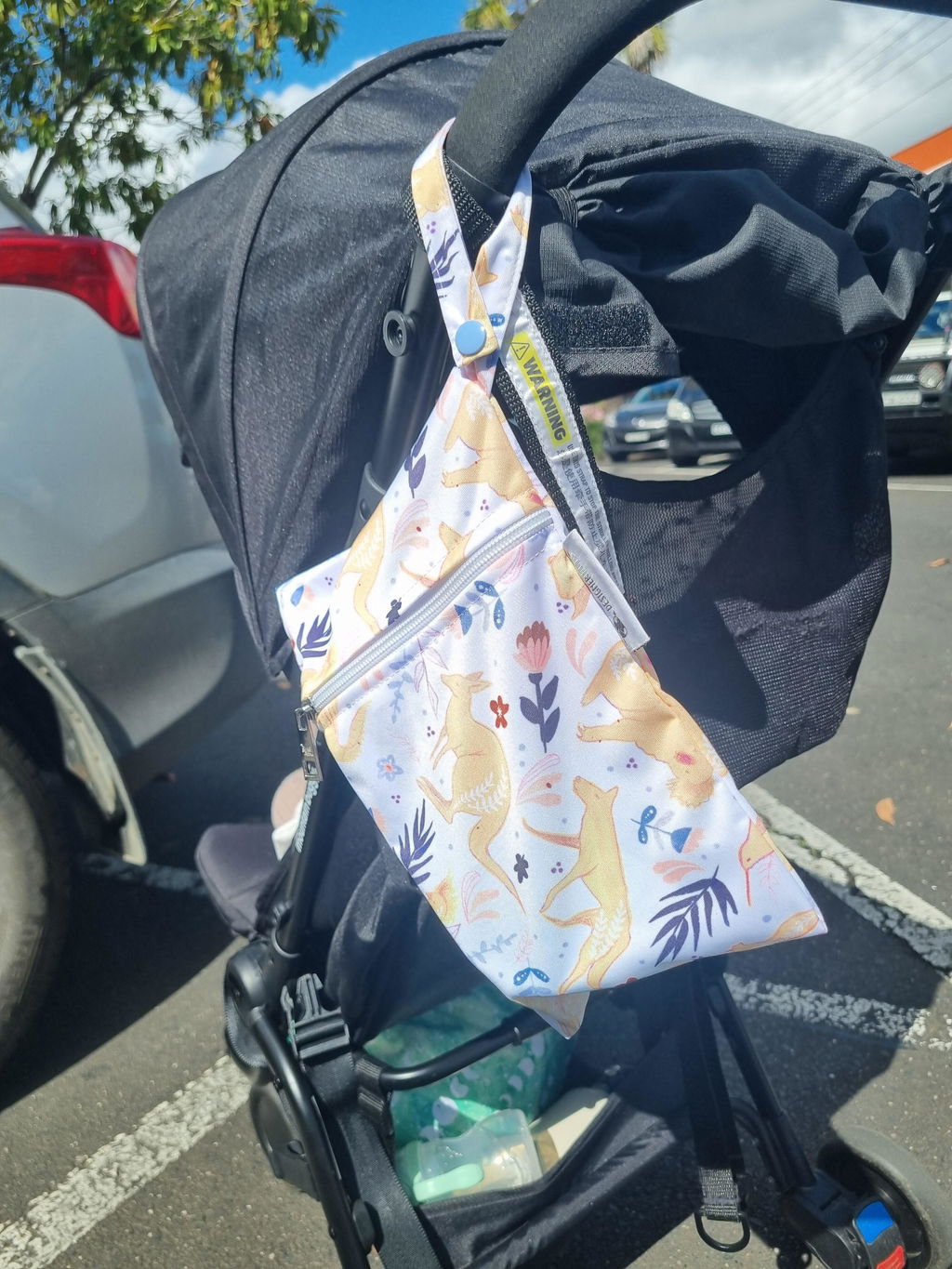
Using cloth nappies out and about is often easier than people expect. A wet bag allows used nappies to be stored while away from home, then transferred into a dry pail once home.
Environmental Impact
Environmental impact is one of the strongest reasons families choose cloth nappies, and this is where the difference between cloth and disposable nappies becomes most significant.
Fast Facts: Nappies and Waste
- Disposable nappies can take up to 500 years to break down in landfill²
- An estimated 300,000 disposable nappies are discarded every minute worldwide³
- This equals over 430 million nappies every day³
- More than 150 billion nappies every year globally³
- One child alone may contribute thousands of nappies to landfill during their nappy years¹
These figures highlight the scale of single-use nappy waste worldwide.
Disposable nappies and landfill
Disposable nappies are designed for single use and then discarded. Because they are commonly buried in landfill without oxygen or sunlight, decomposition is extremely slow.
This creates long-term waste that remains in the environment long after a child has stopped wearing nappies.
Cloth nappies and waste reduction
Cloth nappies are designed to be reused many times. A single cloth nappy can replace hundreds of disposable nappies over its lifetime.
When cloth nappies are used full-time, household nappy waste is significantly reduced. This reduction increases further when nappies are reused across more than one child.
Durability plays a critical role here. The longer a cloth nappy lasts, the fewer replacements are needed, which reduces manufacturing, packaging and transport impacts over time. Read more about why premium cloth nappies are worth the investment.
Washing impact in context
Cloth nappies do require water and energy for washing. However, environmental impact depends heavily on how they are used.
Lower-impact cloth use is supported by:
- Washing full loads
- Using energy-efficient machines
- Line drying where possible
- Choosing nappies designed to last
Comfort and Performance
High-quality cloth nappies are often chosen for their comfort and adaptability. Features such as adjustable fit, breathable fabrics and customisable absorbency allow nappies to perform reliably throughout different stages of babyhood.
Once a good fit and wash routine are established, many families find cloth nappies work comfortably and consistently for everyday use.
When comparing cloth nappies and disposable nappies,