

Reusable Wet Bags Explained: What They’re Used For and Why Families Love Them

Reusable wet bags are one of those products families often buy for one purpose and then quickly realise they use every day. Designed to store wet or soiled items, wet bags offer a practical alternative to single-use plastic bags and disposable storage options.
While wet bags are commonly associated with cloth nappies, their usefulness extends far beyond nappy changes. From everyday parenting to daycare, travel and organisation, wet bags provide a reusable solution for managing mess while reducing waste.
This guide explains what reusable wet bags are, how they work and why they have become a staple for families looking for practical and eco-friendly alternatives.
What Is a Reusable Wet Bag?
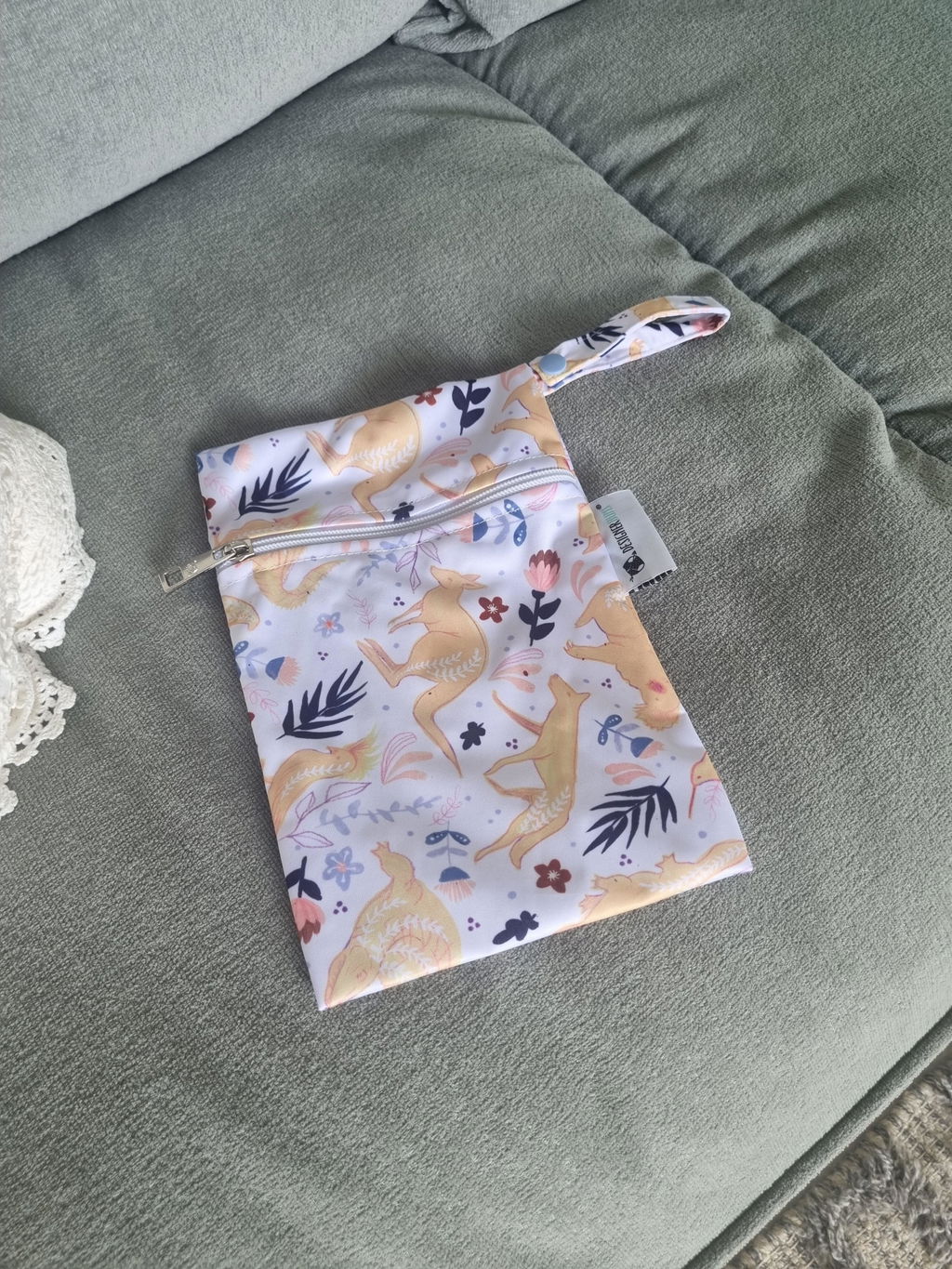
A reusable wet bag is a fabric bag designed to store damp or soiled items without leaking. High-quality wet bags are made with a water-resistant lining that helps contain moisture and odours while remaining lightweight and flexible.
Unlike single-use plastic bags, wet bags are washable and designed to be reused again and again, making them a more sustainable choice for everyday use.
How Do Wet Bags Work?
Wet bags are made using water-resistant fabrics such as PUL, which help prevent moisture from escaping while still allowing airflow. This balance helps manage damp items without creating excessive condensation or strong odours.
Most wet bags feature:
- A water-resistant lining
- Secure zip closures
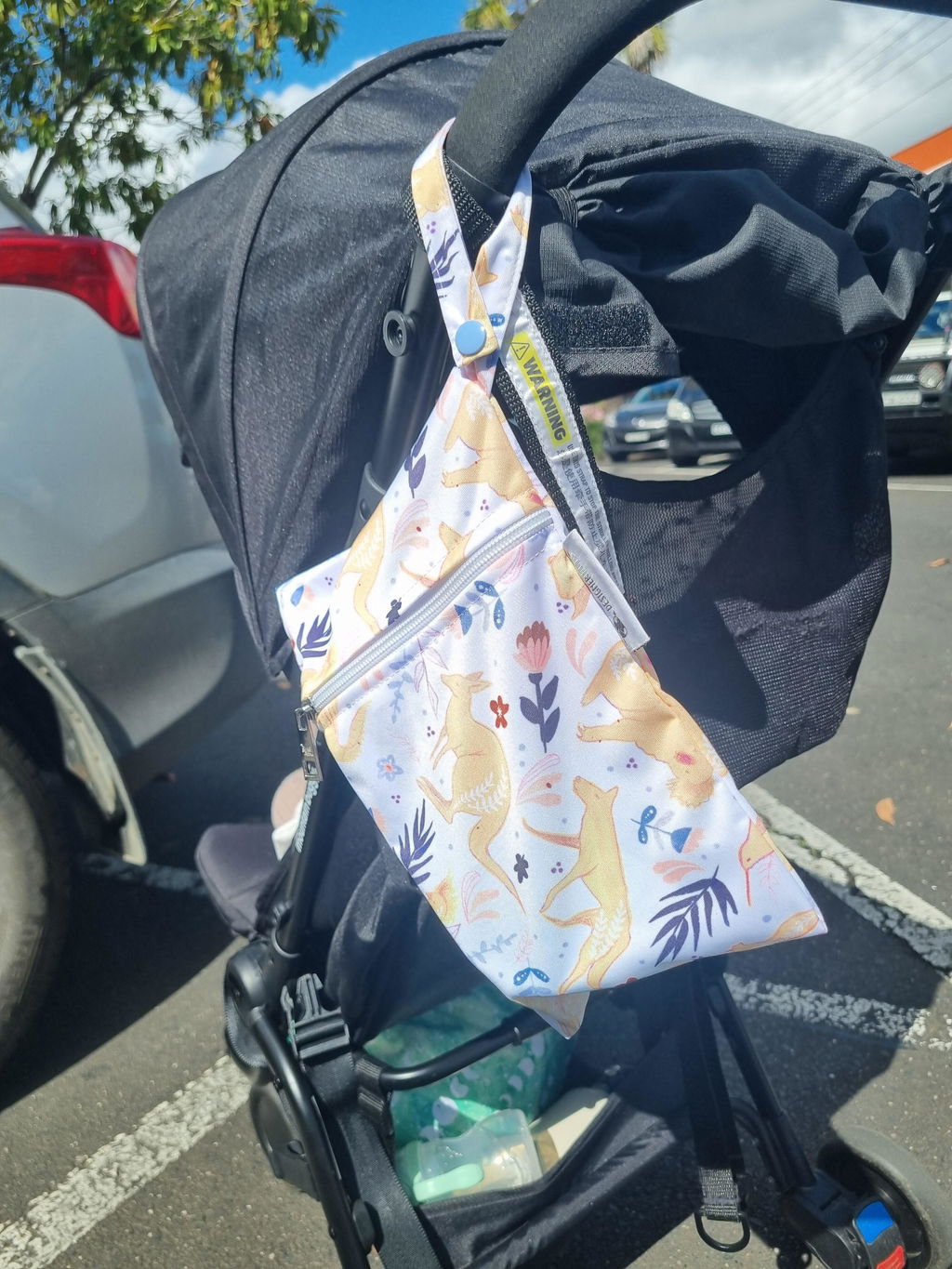
- Handles or snap loops for easy carrying or hanging
When used correctly, wet bags safely contain wet or dirty items until they can be washed or dried.
Using Wet Bags with Cloth Nappies
Wet bags are an essential part of using cloth nappies outside the home.
When out and about:
- Used cloth nappies can be placed into a wet bag
- The bag can be stored in a nappy bag or pram
- Once home, nappies can be transferred into a dry pail for washing
- After nappies are unloaded, the wet bag should be washed as well
Wet bags are also commonly used for daycare and early learning settings. Many families pack clean nappies in one wet bag and send a separate empty wet bag for educators to place used nappies into during the day. At pick-up, the wet bag comes home with the child and both nappies and bag are added to the wash routine.
This makes cloth nappies practical not only at home, but also for daycare and longer days out.
Everyday Uses Beyond Nappies
Wet bags are loved because they are so versatile. Many families find they use them daily for a wide range of purposes.
Common uses include:
- Storing wet bathers or swimming gear
- Containing dirty clothes after daycare, school or sport
- Packing spare outfits for outings
- Organising toiletries, makeup or skincare while travelling
- Storing reusable cloth wipes or nursing pads
- Separating clean and dirty items in suitcases
Wet bags are especially useful for travel. With a variety of prints available, many families use them as a colour-coded organisation system, assigning different bags to different family members or item types.
The Different Types of Reusable Wet Bags
Designer Bums reusable wet bags are available in a range of styles to suit different needs.
The range includes:
- Mini wet bags, for smaller items such as wipes, nursing pads or toiletries
- Regular wet bags, ideal for everyday use, featuring double pockets to separate wet and dry items. These are perfect for items like cloth nappies, wet bathers and swimming gear
- Travel wet bags, designed in a pod-style shape for easy packing when travelling or heading out for the day
- XL wet bags, which are extra large and ideal for bulky items such as towels, bedding or large loads of clothing
- Tote bags, featuring double handles and double pockets, making them perfect for shopping, daycare or all-day outings
Having different sizes and styles allows families to choose the right wet bag for each situation, making them useful across many stages of family life.
Wet Bags and Reducing Single-Use Plastic
Plastic bags are often used to carry wet or dirty items, but they are designed for single use and contribute to household waste.
Reusable wet bags help reduce reliance on:
- Plastic shopping bags
- Disposable zip-lock bags
- Single-use packaging
By choosing washable, reusable wet bags, families can reduce waste while still managing everyday mess effectively.
Caring for Your Wet Bags
Wet bags are designed to be easy to care for.
For best results:
- Empty wet bags regularly
- Turn bags inside out before washing
- Wash with similar items on a suitable cycle
- Allow bags to dry fully between uses
Washing inside out helps clean the lining thoroughly and supports long-term performance.
Why Families Choose Reusable Wet Bags
Families choose wet bags because they:
- Simplify everyday routines
- Support cloth nappy use at home, daycare and on the go
- Replace disposable plastic solutions
- Adapt to many stages of life
Once introduced, wet bags often become a permanent part of daily organisation.
Reusable wet bags are a practical and eco-friendly solution for managing wet and messy items. While they are essential for cloth nappy routines, their usefulness extends far beyond nappies.
With a range of sizes, styles and long-lasting materials, wet bags offer an easy way to reduce waste while keeping life organised at home, at daycare and on the go.